
Introduction: Why This Year’s ADC Matters More Than Ever
As we approach the April 14, 2025 deadline for ASQA’s Annual Declaration of Compliance (ADC), Registered Training Organisations (RTOs) across Australia face one of their most critical regulatory milestones. This year’s submission carries particular significance as it may coincide with the implementation of updated RTO standards and comes amid ASQA’s intensified focus on training quality and compliance enforcement.
At VET Advisory Group, we’ve prepared this exhaustive 3,500+ word guide to give your RTO complete clarity on every aspect of the 2025 ADC process. Beyond just meeting the deadline, this resource will help you:
- Understand the evolving compliance landscape in Australia’s VET sector
- Prepare your organisation for potential regulatory changes
- Implement systems that make future declarations more efficient
- Position your RTO for success in ASQA’s quality framework
Section 1: Deep Dive into the Annual Declaration of Compliance
1.1 The Legal Foundations of the ADC
The Annual Declaration of Compliance isn’t just bureaucratic paperwork – it’s a legislative requirement under the:
- National Vocational Education and Training Regulator Act 2011
- Standards for RTOs 2015 (with potential 2025 updates)
- ASQA’s Regulatory Risk Framework
We examine how these instruments interact to create your compliance obligations, including recent case studies of RTOs that faced consequences for non-compliance.
1.2 The ADC’s Role in ASQA’s Risk-Based Approach
ASQA uses your ADC submission as a primary data point in its risk assessment model. We break down:
- How your declaration impacts your RTO’s risk rating
- The algorithm ASQA uses to flag RTOs for audits
- Historical data on audit rates following ADC submissions
Section 2: Preparing for the 2025 Submission
2.1 The 90-Day Preparation Timeline (January – April 2025)
Our recommended preparation schedule:
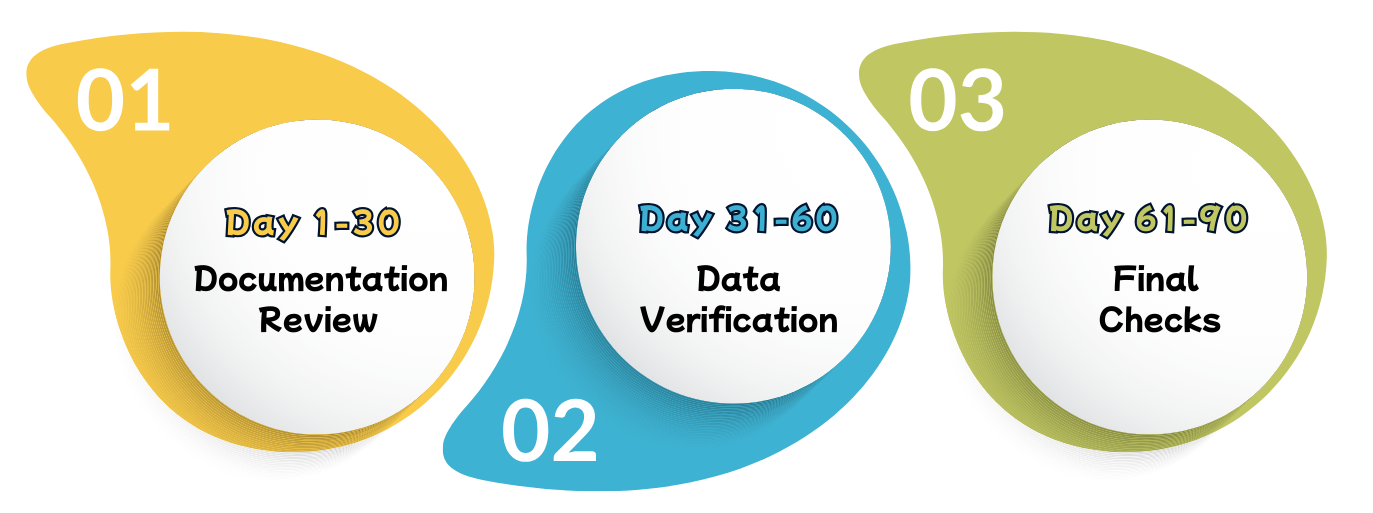
Day 1-30: Documentation Review
- Policy and procedure audits
- Staff qualification checks
- Training and assessment strategy validation
Day 31-60: Data Verification
- AVETMISS reporting analysis
- Completion rate calculations
- Third-party provider audits
Day 61-90: Final Checks
- Mock declaration exercises
- Executive sign-off processes
- Contingency planning
2.2 The Evidence Matrix: What You Need to Have Ready
While the ADC itself is a declaration, smart RTOs prepare supporting documentation including:
- Updated organisational charts
- Trainer matrices with qualifications mapped
- Samples of completed student assessments
- Third-party audit reports
Section 3: Navigating Potential Changes for 2025
3.1 Anticipated Updates to the RTO Standards
With the Standards for RTOs under review, we analyze likely changes including:
- Strengthened requirements for online delivery
- Enhanced focus on workplace-based training
- New expectations for learner support services
3.2 ASQA’s Evolving Priorities
Based on recent audit trends, we identify emerging focus areas:
- Validation of assessment judgements
- Management of third-party relationships
- Demonstration of continuous improvement
Section 4: The Submission Process – Step by Step
4.1 Accessing the ASQA Provider Portal
Detailed instructions covering:
- Account recovery processes
- Multi-factor authentication setup
- Delegated authority management
4.2 Completing Each Section of the Declaration
Annotated screenshots and explanations for:
- Scope of registration confirmation
- Financial viability declarations
- Compliance with each Standard
4.3 Common Technical Issues and Solutions
Troubleshooting guidance for:
- Browser compatibility problems
- Document upload failures
- Submission confirmation receipts
Section 5: Post-Submission Strategies
5.1 Audit Preparedness
Even after successful submission, RTOs should:
- Conduct internal compliance spot checks
- Prepare staff for potential audit interviews
- Maintain an accessible evidence repository
5.2 Using ADC Data for Quality Improvement
How to leverage your compliance work to:
- Identify training delivery strengths
- Pinpoint areas needing development
- Demonstrate quality to stakeholders
Section 6: Special Considerations
6.1 Large RTOs with Multiple Scope Items
Managing compliance across:
- Diverse training areas
- Multiple delivery locations
- Complex organisational structures
6.2 New RTOs Completing Their First ADC
Unique challenges for:
- Establishing compliance systems
- Interpreting declaration requirements
- Building audit readiness
6.3 RTOs with Third-Party Arrangements
Ensuring compliance extends to:
- Partner selection processes
- Ongoing monitoring systems
- Contingency planning
Conclusion: Beyond Compliance to Excellence
While meeting the April 14 deadline is crucial, forward-thinking RTOs use the ADC process as a springboard for quality improvement. By approaching compliance systematically, you can:
- Reduce regulatory risk
- Improve operational efficiency
- Enhance student outcomes
Need Expert Support? VET Advisory Group offers:
- ADC preparation workshops
- Compliance health checks
- Audit representation services
Contact our team today to ensure your 2025 declaration positions your RTO for success.