
For Registered Training Organisations (RTOs) in Australia, maintaining compliance with the Australian Skills Quality Authority (ASQA) is a critical responsibility. ASQA audits are designed to ensure that RTOs meet the stringent requirements set out in the Standards for RTOs 2015, guaranteeing high-quality training and assessment for students. However, many RTOs fall into common compliance traps that can lead to audit failures, sanctions, or even the cancellation of registration.
This in-depth guide will explore the most frequent ASQA audit mistakes, provide a detailed ASQA audit checklist, and offer actionable ASQA audit tips to help your organisation pass an ASQA audit successfully. Whether you are preparing for an RTO audit or simply aiming to strengthen your compliance framework, this resource will equip you with the knowledge needed to navigate ASQA requirements confidently.
Understanding ASQA Audits: Types and Expectations
Before diving into common mistakes, it’s essential to understand the different types of ASQA audits and what they entail. ASQA conducts several types of audits, each serving a specific purpose:
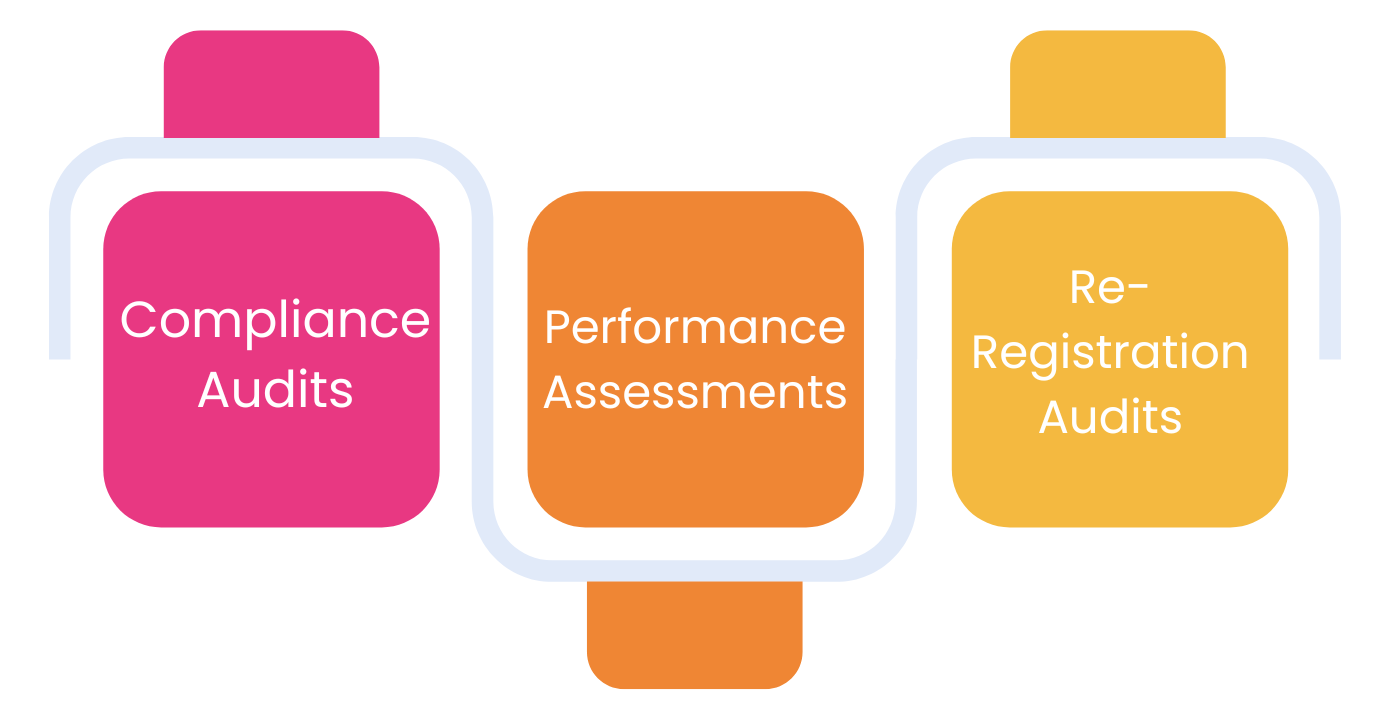
1. Compliance Audits
These audits assess whether an RTO is adhering to the Standards for RTOs 2015. ASQA may conduct compliance audits in response to complaints, risk indicators, or as part of routine monitoring.
2. Performance Assessments
These evaluations focus on the quality of training and assessment practices. ASQA examines whether students are receiving education that meets industry standards and leads to meaningful outcomes.
3. Re-Registration Audits
When an RTO applies to renew its registration, ASQA conducts a re-registration audit to ensure ongoing compliance with regulatory requirements.
Failing an ASQA audit can have serious consequences, including:
- Rectification Notices – Requiring corrective actions within a specified timeframe.
- Sanctions – Such as restrictions on enrolling new students or withdrawing qualifications.
- Cancellation of Registration – The most severe penalty, resulting in the RTO being shut down.
To avoid these outcomes, RTOs must proactively address potential compliance gaps. Below, we outline the top ASQA audit mistakes and provide strategies to mitigate them.
Top ASQA Audit Mistakes and How to Avoid Them
1. Incomplete or Outdated Documentation
The Mistake: Many RTOs fail to maintain up-to-date and comprehensive documentation, including policies, training materials, and student records. Missing or outdated documents can lead to immediate non-compliance findings during an audit.
Why It’s a Problem: ASQA requires RTOs to keep detailed records that demonstrate compliance with regulatory standards. Without proper documentation, auditors cannot verify that the RTO is meeting its obligations.
How to Avoid It:
- Develop and maintain an ASQA audit checklist that includes all required documents.
- Regularly review and update the following:
- Training and Assessment Strategies (TAS) – Ensure they are tailored to each qualification.
- Policies and Procedures – Including enrolment, assessment, and complaints handling.
- Student Records – Enrolment forms, attendance logs, and assessment submissions.
- Trainer and Assessor Files – Qualifications, resumes, and professional development records.
- Implement a document management system to track versions and updates systematically.
2. Non-Compliant Training and Assessment Strategies
The Mistake: Some RTOs use generic or outdated training and assessment strategies that do not align with current industry needs or training package requirements.
Why It’s a Problem: ASQA mandates that RTOs develop customised Training and Assessment Strategies (TAS) for each qualification, incorporating industry consultation and ensuring assessments are valid, reliable, and fair.
How to Avoid It:
- Ensure each qualification has a unique TAS that reflects current industry practices.
- Conduct regular industry consultations and document feedback from employers and industry experts.
- Align assessment tools with the training package requirements and ensure they measure competency accurately.
- Review and validate assessment tools at least annually to maintain compliance.
3. Insufficient Trainer and Assessor Competency
The Mistake: Some RTOs employ trainers who lack current industry experience or do not hold the required qualifications (such as the TAE40122 Certificate IV in Training and Assessment or equivalent).
Why It’s a Problem: ASQA requires trainers to have:
- Vocational competency (relevant industry skills and knowledge).
- Current industry experience (to ensure training is up-to-date).
- Training and assessment qualifications (TAE40122 or equivalent).
How to Avoid It:
- Maintain detailed records of all trainer qualifications, including resumes and certifications.
- Ensure trainers complete annual professional development to stay current with industry trends.
- Verify industry currency by requiring trainers to engage in part-time work, professional development, or industry networking.
4. Poor Student Support and Engagement
The Mistake: Some RTOs fail to provide adequate support to students, leading to low completion rates and poor satisfaction levels.
Why It’s a Problem: ASQA monitors student outcomes, including completion rates and feedback. Poor student support can trigger compliance concerns.
How to Avoid It:
- Implement learner support strategies, such as tutoring, mentoring, and additional learning resources.
- Conduct regular student feedback surveys and act on the results.
- Track student progress and completion rates, intervening early for at-risk learners.
5. Incorrect Marketing and Advertising Practices
The Mistake: Misleading course information, exaggerated job outcome claims, or unclear fee structures in marketing materials.
Why It’s a Problem: ASQA enforces strict marketing compliance under Standard 4 of the RTO Standards. Misleading advertising can result in penalties.
How to Avoid It:
- Ensure all marketing materials are accurate, transparent, and verifiable.
- Avoid making guaranteed job outcome claims.
- Clearly state course requirements, fees, and refund policies.
6. Inadequate Pre-Enrolment Information
The Mistake: Failing to provide students with clear and comprehensive course details before enrolment.
Why It’s a Problem: Students must fully understand course expectations, fees, and policies before committing.
How to Avoid It:
- Provide a detailed Student Handbook covering all aspects of the course.
- Ensure fee and refund policies are transparent and accessible.
- Obtain signed student agreements confirming they understand the terms.
7. Poor Validation and Moderation Processes
The Mistake: Skipping assessment validation or conducting it incorrectly.
Why It’s a Problem: ASQA requires annual validation of assessment tools for each qualification.
How to Avoid It:
- Schedule validation sessions every 6-12 months.
- Involve industry experts in the validation process.
- Document all findings and implement improvements.
8. Failure to Address Previous Audit Findings
The Mistake: Ignoring past non-compliance issues identified in previous audits.
Why It’s a Problem: ASQA checks whether previous rectification actions were implemented.
How to Avoid It:
- Create an action plan for audit findings.
- Assign responsibility for corrective actions.
- Keep evidence of improvements for future audits.
ASQA Audit Checklist: Essential Steps for Compliance
To ensure your RTO is fully prepared for an ASQA audit, follow this comprehensive checklist:
Governance & Compliance
- Up-to-date policies and procedures.
- Compliant Training and Assessment Strategies (TAS).
- Records of industry consultations.
Trainer & Assessor Records
- Current qualifications (TAE40122 or equivalent).
- Evidence of vocational competency and industry currency.
Student Records
- Complete enrolment documents.
- Assessment submissions and feedback records.
- Compliant issuance of certifications.
Assessment & Validation
- Validated assessment tools.
- Records of moderation and validation sessions.
Marketing & Recruitment
- Accurate and compliant advertising materials.
- Clear pre-enrolment information.
Student Support
- Documented learner support strategies.
- Student feedback and satisfaction records.
Final ASQA Audit Tips for Success
- Start Early – Compliance should be an ongoing process, not just before an audit.
- Conduct Internal Audits – Regularly review your own compliance status.
- Train Your Team – Ensure all staff understand ASQA requirements.
- Use Compliance Software – Tools like aXcelerate or Cloud Assess can streamline compliance tracking.
- Seek Expert Advice – Consider hiring an RTO consultant for a pre-audit review.
Conclusion
Preparing for an ASQA audit requires diligence, organisation, and a proactive approach to compliance. By avoiding the common ASQA audit mistakes outlined in this guide, following our detailed ASQA audit checklist, and implementing our practical ASQA audit tips, your RTO can significantly improve its chances of passing an ASQA audit successfully.
Remember, compliance is not a one-time effort but an ongoing commitment to quality education and regulatory adherence. Stay proactive, keep your documentation up-to-date, and continuously seek ways to enhance your training and assessment practices.
For further assistance, consider engaging professional RTO compliance services to ensure your organisation remains audit-ready at all times.