


ASQA complaints are a necessary evil for RTOs. But do you know that they can also be a powerful tool for compliance and brand image?
Most RTOs see ASQA complaints as a nuisance at best or a threat to their business at worst. But the truth is, complaints can be an opportunity to identify and address problems in your training and assessment practices, and to demonstrate to ASQA and your stakeholders that you are committed to quality.
In this blog ‘ASQA Complaints: How to turn them into an advantage’, we will discuss how to deal with ASQA complaints effectively and how to use them to your advantage.
What is an ASQA Complaint
An ASQA Complaint is a formal expression of dissatisfaction with an RTO’s training or assessment practice. Complaints can be made by students, employers, or other stakeholders.
Why are ASQA complaints important
ASQA complaints play an important role in ensuring the quality of training and assessment in Australia. By investigating and resolving complaints, ASQA can help identify and address any problems with RTO’s training and assessment.
Who can make an ASQA complaint
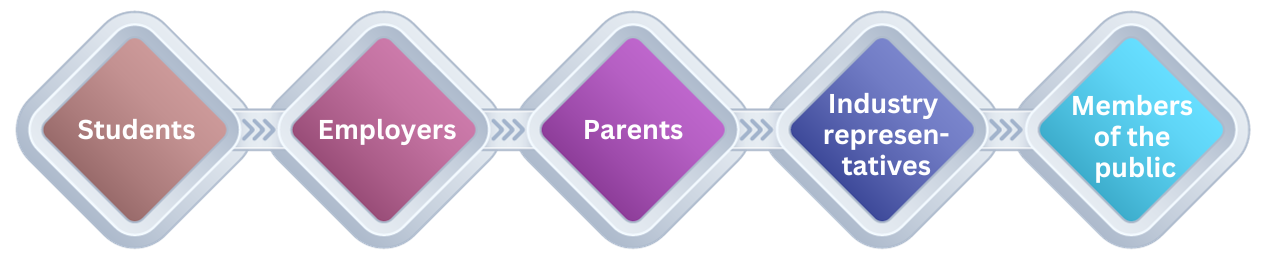
Anyone can make an ASQA Complaint, including:
- Students
- Employers
- Parents
- Industry representatives
- Members of the public
What are the issues raised in ASQA complaints
Some of the most common issues raised in ASQA complaints include:
- Misleading or inaccurate advertising
In ASQA news dated 25 September 2020, it was reported by ASQA that Qualify Me! Pty Ltd was fined $10,000 in the NSW Local Court. Qualify Me! Pty Ltd broke the law by advertising a vocational education and training (VET) course without saying who issued the VET qualification. Source: ASQA news
- Poor quality training delivery
In ASQA’s news dated October 13, 2023,nor found that some RTOs delivering Property Services Training are not properly enrolling students neither are they giving adequate training and assessment. ASQA might conduct audits and take performance assessments for such RTOs.
Source: ASQA news
- Unfair or unreasonable assessment practices
In a news article published on 24 June 2015, it was found that assessment practices led by RTOs were having an impact on students. In a sample of 18 checks the training accreditation council found four to be critical. The issues ranged from students getting passing grades without writing full answers to unqualified trainers working at the RTOs. Source: Office of the Auditor General
- Breach of the standards for RTOs
According to ASQA news dated 23 October 2018 a training organisation by the name of Wright Solution QLD Pty Ltd was fined $180,000 because they continued to represent itself as an RTO even after ASQA rejected their registration renewal. Source: ASQA News
How to deal with ASQA complaints
If you receive an ASQA complaint, you should follow these steps:
- Immediate Acknowledgment: Promptly acknowledge the complaint. This shows that you are attentive and committed to resolving issues. In your communications, whether public or private, maintain a professional and empathetic tone.
- Thorough Investigation: Conduct a detailed investigation into the complaint. Understand the specifics of the issue and gather all relevant information. This step is crucial for formulating an informed response.
- Compliance Review: Ensure that your practices are in line with ASQA guidelines. Sometimes, a complaint might highlight an area where your institution might not be fully compliant or where there’s room for improvement.
- Formulate a Response Plan: Based on your findings, develop a response plan. This should include steps to rectify the issue, prevent future occurrences, and comply with any regulatory requirements.
- Transparent Communication: Communicate your findings and action plan to the complainant and relevant stakeholders. Transparency is key in building trust and demonstrating your commitment to quality and compliance.
- Implement Changes: Take the necessary steps to address the complaint. This might involve revising policies, providing additional training to staff, or making changes to your curriculum or delivery methods.
- Follow-Up: After implementing changes, follow up with the complainant to ensure that the issue has been resolved to their satisfaction. This step is often overlooked but is crucial in maintaining good relationships.
How to create a system to handle complaints in your organisation
- Make it easy for people to complain. You should have a clear and accessible complaints procedure in place. This procedure should be available on your website and in all you training materials.
- Be responsive to complaints. You should acknowledge complaints promptly and investigate them thoroughly.
- Be fair and impartial. You should investigate complaints impartially and without bias.
- Be transparent. You should provide the complainant with a written response to the complaint, including the outcome of your investigation and any proposed resolution.
- Keep records of all complaints and their outcomes. This will help you to identify any trends or pattern in complaints, and to make improvements to your training and assessment
How to avoid ASQA complaints
Here are some tips for avoiding ASQA complaints:
- Be honest and transparent in your advertising and marketing materials.
- Deliver high-quality training that meets the requirements of the relevant training package or qualification.
- Use fair and consistent assessment practices.
- Comply with the standards for RTOs.
- Have clear and fair complaints and appeals procedure in place.
Benefits of having a good complaint-handling system
A good complaint handling system can help you to:
- Improve student satisfaction
- Reduce the risk of ASQA investigation and enforcement action
- Increase confidence of stakeholders
- Identify and address areas for improvement in your training and assessment practices
Conclusion
ASQA complaints can be a valuable tool for RTOs to improve their compliance and band image. By following the tips above, RTOs can create a system to handle complaints effectively and use them to their advantage.
It is important to consider that ASQA complaints are a normal part of running an RTO. No RTO is perfect and there will always be some students, employers, or stakeholders who are dissatisfied with some aspects of RTO’s training and assessment. The key is to deal with complaints promptly, fairly, and transparently.
By doing so, RTOs can demonstrate to ASQA and their stakeholders that they are committed to providing high-quality training and assessment. This can lead to improved student satisfaction, reduced risk of ASQA investigation and enforcement action, increased confidence from stakeholders, and identification and improvement of areas for improvement in training and assessment practices.
Still confused? Looking for RTO setup advice or an audit?
Contact VET Advisory Group for all your questions related to RTO. We also provide free consultations, contact us here.
Frequently Asked Questions
Q1. How long does it take ASQA to investigate a complaint?
A1. The time it takes ASQA to investigate a complaint varies depending on the complexity of the complaint. However, ASQA aims to complete all investigations within 60 days.
Q2. What happens if ASQA finds that the RTO has breached the Standards for Registered Training Organisations (RTO)?
A2. If ASQA finds out that the RTO has breached the standards for RTO, they may take a range of actions, including:
- Issuing a warning letter
- Requiring the RTO to take corrective action
- Suspending or cancelling the RTO’s registration