


Validating assessment tools before they are used is a critical aspect of Registered Training Organisation (RTO) operations. We frequently notice the validation of assessments and it is actually encouraging to see an increasing number of RTOs prioritising the validation of their assessment tools prior to implementation.
The Standards for Registered Training Organisations 2015 mandate that RTOs undertake assessment validation of practices. However, this article focuses on the pre-use validation process. This really important step involves double-checking assessment tools before they are released to the learners, ensuring they are fit for purpose and meet the required standards.
Do RTOs have a regular checklist for validation?
A systematic approach to validation is essential. A regular checklist can help ensure that the validation process is thorough and consistent. This checklist should include criteria for evaluating whether the assessment tool is beneficial for learners, aligns with training package requirements, and meets industry standards.
Here are some key questions to consider during validation:
- Does the tool effectively measure the competencies it is intended to assess?
- Is the language and format of the tool clear and accessible to learners?
- Are there any potential biases or barriers that could affect the fairness of the assessment?
If the answers to these questions are unclear, a checklist should be created to successfully validate the assessments.
Validating with a checklist
Using a detailed checklist during the validation process ensures that all critical aspects of quality assurance and control are addressed. This tool guides RTOs through the validation process, allowing them to confidently evaluate the effectiveness of their assessment tools.
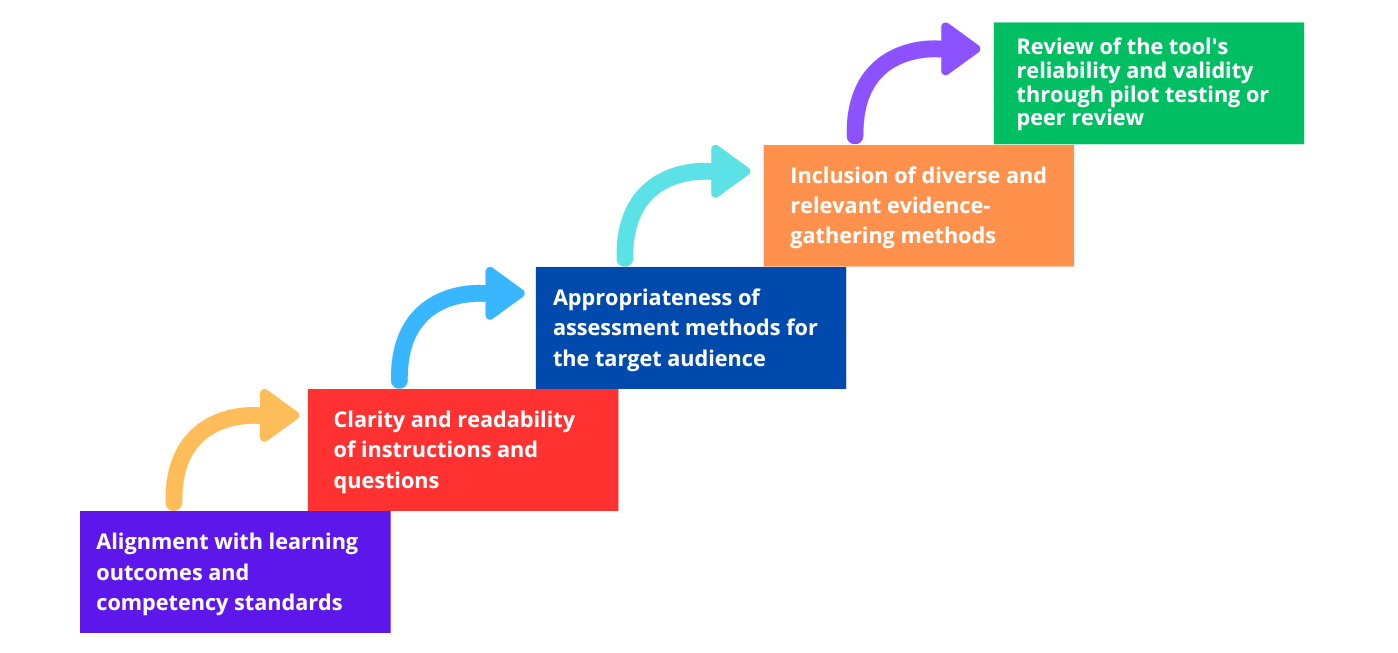
A comprehensive checklist can include:
- Alignment with learning outcomes and competency standards
- Clarity and readability of instructions and questions
- Appropriateness of assessment methods for the target audience
- Inclusion of diverse and relevant evidence-gathering methods
- Review of the tool’s reliability and validity through pilot testing or peer review
What challenges do RTOs face with validating their assessments
RTOs face several challenges when validating their assessment tools, including limited time, personnel, and financial resources, which hinder thorough validation. Understanding the complex regulatory requirements can be difficult, and maintaining consistency in validation practices across different courses and trainers is challenging. Additionally, and in most cases, staff may resist implementing new validation processes or updating existing ones.
How VET Advisory can provide a solution
VET Advisory helps RTOs overcome validation challenges by offering expert guidance and support. We provide professional advice on effective validation processes, access to training programs and resources to build staff capacity, and tailored solutions to address specific needs. Additionally, we offer ongoing support to ensure validation processes are maintained and updated as needed.
Conclusion
Validating assessment tools before their use is essential for ensuring the quality and effectiveness of training programs. By implementing a structured validation process and utilising a comprehensive checklist, RTOs can confidently ensure that their assessment tools are fit for purpose.
Overcoming common pain points through the support of VET Advisory can further improve the validation process, contributing to the overall success and credibility of the RTO. By prioritising assessment validation, RTOs can provide better educational outcomes for their learners and meet regulatory standards with confidence.
FAQs
How does pre-use validation differ from regular assessment validation?
Pre-use validation focuses on checking the assessment tools before they are implemented, ensuring they meet the required standards and are fit for purpose. Regular assessment validation, on the other hand, involves ongoing reviews of assessment practices and judgments to maintain quality over time.
What are the key benefits of validating assessment tools before use?
Validating assessment tools before use ensures they are fair, valid, and reliable. It helps in maintaining compliance with regulatory standards, enhances the quality of training, and improves learner outcomes by providing accurate assessments of their skills and knowledge.
How can RTOs ensure consistency in their validation processes?
RTOs can ensure consistency by developing standardised validation procedures, training staff on these procedures, and using comprehensive checklists to guide the validation process. Regular reviews and updates of the validation process can also help maintain consistency.
Why is it important to involve trainers and assessors in the validation process?
Involving trainers and assessors ensures that the assessment tools are practical and relevant. Their insights can help identify potential issues and improvements, ensuring the tools are effective and aligned with real-world training scenarios.
What should RTOs do if validation reveals that an assessment tool is not effective?
If validation reveals issues with an assessment tool, RTOs should revise the tool based on the feedback and findings. This may involve modifying questions, instructions, or evidence requirements to better align with competency standards and improve clarity and fairness.