
Registered Training Organisations (RTOs) play a crucial role in delivering nationally recognised training in Australia. To maintain high educational standards, compliance with regulatory frameworks is essential. rto compliance consultant ensures that vocational education remains consistent, effective, and aligned with industry needs. Various government bodies monitor and regulate RTOs to uphold quality training and assessment standards. This blog explores how RTO compliance is regulated and monitored, detailing the key requirements, challenges, and best practices for maintaining compliance.
What is RTO Compliance?
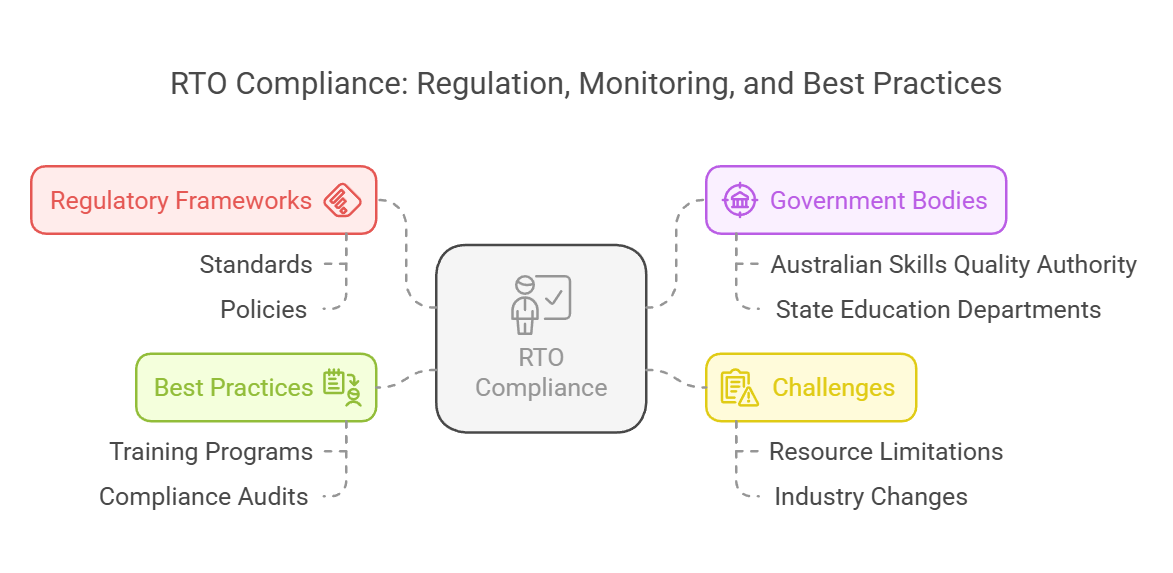
RTO compliance refers to adhering to the standards and regulations set by the Australian government to ensure the quality and credibility of vocational education. Compliance involves meeting the requirements of the Standards for RTOs, adhering to data reporting obligations, maintaining trainer competency, ensuring student support services, and following ethical marketing and enrolment processes. Non-compliance can lead to serious consequences, including sanctions, suspensions, or deregistration.
Regulatory Bodies Overseeing RTOs in Australia
Various regulatory bodies oversee RTO compliance in Australia, ensuring institutions maintain high-quality training standards.
ASQA (Australian Skills Quality Authority)
ASQA is the national regulator responsible for overseeing RTOs that operate across multiple states or offer courses to international students. It enforces compliance through audits, investigations, and risk assessments.
TAC (Training Accreditation Council)
TAC regulates RTOs in Western Australia that only operate within the state. It ensures that training providers meet compliance standards and provide quality education.
VRQA (Victorian Registration and Qualifications Authority)
VRQA regulates RTOs in Victoria that only operate within the state. It ensures providers meet the compliance framework and maintain training quality.
Key Compliance Requirements for RTOs
To operate legally, RTOs must comply with several key requirements.
Standards for RTOs
These standards outline the obligations for RTOs regarding training delivery, assessment quality, governance, and continuous improvement. RTOs must demonstrate compliance through audits and self-assessments.
Training and Assessment Strategies (TAS)
RTOs must develop detailed Training and Assessment Strategies (TAS) that outline how they plan to deliver and assess courses in line with industry standards and learner needs.
Student Support and Welfare
Providing adequate support services, including academic guidance, career advice, and counselling, is a crucial compliance requirement to ensure students succeed in their chosen courses.
Trainer and Assessor Qualifications
All trainers and assessors must meet the competency and experience requirements outlined by ASQA. They should hold the necessary qualifications, such as Certificate IV in Training and Assessment.
Record Keeping and Data Reporting
RTOs must maintain accurate records of student enrolments, assessments, completions, and attendance. They must also submit mandatory reports, such as AVETMISS data, to ensure transparency and accountability.
How RTO Compliance is Monitored?
Regulators use various methods to monitor compliance and ensure RTOs maintain training quality.
Registration and Renewal Process
To operate as an RTO, providers must undergo an initial registration process that includes demonstrating their ability to meet compliance requirements. Renewing registration involves a thorough review of the RTO’s performance and adherence to standards.
Audit and Monitoring Procedures
Regulatory bodies conduct audits to assess whether an RTO complies with the required standards. Audits may be scheduled, random, or triggered by complaints. These audits review training delivery, assessment methods, student records, and governance structures.
Risk-Based Approach to Compliance
Regulators use a risk-based approach to monitor RTOs. High-risk RTOs with previous non-compliance records are subject to more frequent audits and monitoring activities, ensuring they rectify past issues.
Sanctions and Penalties for Non-Compliance
Failure to meet compliance standards can result in penalties, including warnings, conditions on registration, suspension, or cancellation of registration. Serious breaches can lead to legal action and loss of RTO status.
Importance of Compliance in Vocational Education
Compliance ensures that vocational education providers maintain high training quality, industry relevance, and student satisfaction. It builds trust with students, employers, and industry stakeholders. Well-regulated RTOs contribute to a skilled workforce that meets industry demands.
Challenges Faced by RTOs in Maintaining Compliance
Compliance can be challenging due to evolving regulations, administrative burdens, and financial constraints. Common challenges include:
- Keeping up with regulatory changes
- Ensuring trainers and assessors meet qualification requirements
- Maintaining accurate and comprehensive student records
- Meeting audit requirements and documentation standards
Best Practices for Ensuring Ongoing Compliance
To maintain compliance and avoid penalties, RTOs should follow best practices such as:
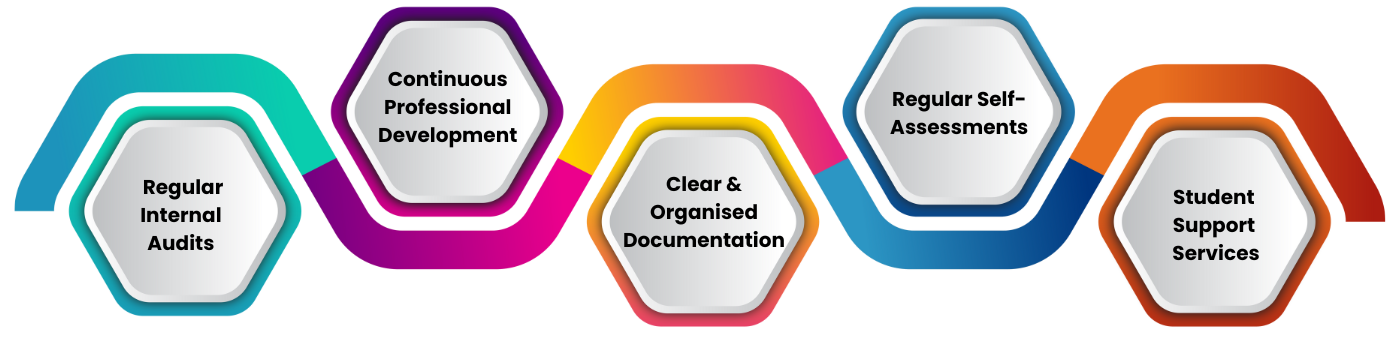
- Regular internal audits to identify compliance gaps
- Investing in continuous professional development for trainers and assessors
- Maintaining clear and organised documentation
- Engaging in regular self-assessment against the Standards for RTOs
- Implementing student support services to enhance learning outcomes
Conclusion
RTO compliance is critical for maintaining the integrity and quality of vocational education in Australia. Regulatory bodies like ASQA, TAC, and VRQA play a vital role in monitoring and enforcing compliance standards. RTOs must adhere to the Standards for RTOs, maintain proper documentation, support students effectively, and stay updated with industry regulations. While challenges exist, adopting best practices such as regular audits, trainer development, and structured compliance management can help RTOs meet their obligations successfully. Ensuring compliance not only enhances an RTO’s reputation but also contributes to a skilled and competent workforce that benefits the Australian economy.