
Introduction
The Australian Skills Quality Authority (ASQA) symbolises high standards and outstanding performance in Australia’s vocational education industry. The ASQA Standards for Registered Training Organisations 2020 are a vital set of guidelines ensuring that Registered Training Organisations (RTOs) uphold the highest standards in education and training. This article serves as a practical guide, aiming to demystify these standards and provide a clear path to compliance and success. The National Vocational Education and Training sector is diverse, and adhering to the ASQA Standards 2020 ensures that every RTO contributes positively to this vibrant educational landscape.
The VET Quality Framework and Australian Qualifications Framework are integral to maintaining the high standards of education expected in Australia. The ASQA Standards 2020 align with these frameworks, ensuring consistency and quality across the board. From understanding the data provision requirements to implementing best practice regulation, this guide will cover various issues, providing insights and actionable steps for RTOs. Whether navigating third party arrangements, managing electronic student records, or ensuring financial viability, this article is designed to guide you through the ASQA Standards 2020, ensuring your RTO complies with the regulations and thrives in the ever-evolving educational landscape.
Understanding ASQA Standards 2020
The Australian Skills Quality Authority (ASQA) has established the ASQA Standards 2020 to ensure that Registered Training Organisations (RTOs) throughout Australia deliver high-quality education and training. These standards are crucial for maintaining the integrity and reputation of the National Vocational Education and Training sector. This section will delve into the ASQA Standards 2020 and why they are so important for RTOs.
Overview of ASQA Standards 2020
The ASQA Standards 2020 are regulations and guidelines designed to ensure RTOs provide education and training that meet industry needs and comply with national standards. They cover a wide range of areas, including:
- Quality of Training: Ensuring that training meets industry standards and equips students with necessary skills and knowledge.
- Assessment Practices: Establishing robust assessment methods to gauge student performance and competence accurately.
- Governance and Administration: Implementing effective governance structures and administrative practices to support quality training delivery.
- Student Support and Welfare: Providing adequate support and resources to students throughout their learning journey.
Significance of Compliance
Compliance with the ASQA Standards 2020 is not just a legal requirement but a commitment to excellence and quality in education. Here’s why it matters:
- Maintaining Accreditation: Non-compliance can lead to loss of accreditation, affecting the RTO’s ability to operate.
- Building Reputation: Adherence to the standards enhances the RTO’s reputation among students, industry partners, and regulatory bodies.
- Continuous Improvement: The standards encourage RTOs to evaluate and improve their training programs and services continually.
Key Changes in ASQA Standards 2020
Compared to the previous Standards for RTOs 2015, the ASQA Standards 2020 have introduced several updates and changes. Some of the key differences include:
- Enhanced Focus on Student Outcomes: The focus should be on providing training that results in favourable outcomes for students, such as improved career prospects and employment opportunities.
- Streamlined Governance Requirements: Simplified governance and administrative requirements to reduce the burden on RTOs while maintaining high standards.
- Updated Assessment Practices: Revised guidelines on assessment practices to ensure they are fair, flexible, and focused on student competence.
Key Components of ASQA Standards 2020
The ASQA Standards 2020 are a comprehensive set of guidelines designed to ensure the quality and integrity of vocational education and training in Australia. These standards cover various aspects of an RTO’s operations, from governance and administration to training and assessment practices. In this section, we will break down the key components of the ASQA Standards 2020 and provide practical insights for compliance.
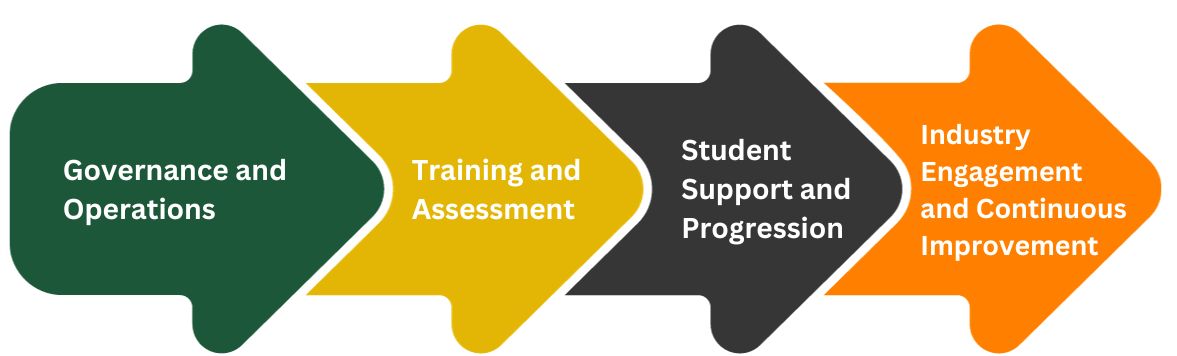
1. Governance and Operations
Ensuring effective governance and smooth operations is crucial for RTOs. Key areas include:
- Compliance Management: Establishing systems to monitor and ensure compliance with the ASQA Standards 2020.
- Financial Viability: Maintaining financial viability and adhering to the Financial Viability Risk Assessment Requirements.
- Records Management: Implementing robust records management practices, including maintaining electronic student records.
2. Training and Assessment
Delivering high-quality training and assessment is at the heart of every RTO’s mission. This involves:
- Quality of Training: Ensuring training programs meet industry needs and comply with the Australian Qualifications Framework.
- Assessment Practices: Implementing fair and effective assessment practices aligned with the Principles of Natural Justice.
- Recognition of Prior Learning: Providing opportunities for students to have their prior learning and experience recognized.
3. Student Support and Progression
RTOs must provide adequate support to students and ensure their progression through the training programs. This includes:
- Student Welfare: Offering support services and resources to address the diverse needs of students.
- Progress Monitoring: Regularly monitoring student progress and providing feedback to enhance learning outcomes.
- Issuing Qualifications: Timely issuance of Statements of Attainment and other qualifications, ensuring accuracy and compliance.
4. Industry Engagement and Continuous Improvement
Maintaining strong industry connections and continually improving practices are essential for RTOs. Focus areas are:
- Industry and Skills Council Engagement: Collaborating with industry bodies to ensure relevant and up-to-date training programs.
- Quality Indicator Data: Utilizing quality indicator data to inform continuous improvement efforts and enhance training quality.
- Best Practice Approaches: Adopting best practices in training delivery, assessment, and governance.
Strategies for Successful Compliance
Achieving and maintaining compliance with the ASQA Standards 2020 is crucial for the success and reputation of any Registered Training Organisation (RTO). This section will explore practical strategies and actionable steps RTOs can take to ensure they meet the required standards and provide high-quality education and training.
Proactive Approach to Compliance
Taking a proactive stance is key to successful compliance:
- Regular Audits and Reviews: Conduct internal audits and reviews to ensure all practices and documentation align with the ASQA Standards 2020.
- Staff Training and Development: Invest in ongoing professional development for staff to inform them about the latest standards and best practices.
- Effective Record Keeping: Maintain comprehensive and up-to-date records, including electronic student records, to demonstrate compliance.
Engaging with Industry and Stakeholders
Building strong relationships with industry partners and stakeholders enhances the quality and relevance of training programs:
- Industry Consultation: Regularly consult with industry bodies and employers to ensure training programs meet current and future workforce needs.
- Stakeholder Feedback: Seek and act upon feedback from students, employers, and other stakeholders to continuously improve training and assessment practices.
- Participation in Industry Events: Engage in industry events and forums to stay connected and informed about sector trends and best practices.
Continuous Improvement and Quality Assurance
Committing to continuous improvement ensures that RTOs not only comply with the standards but also excel in their delivery of education and training:
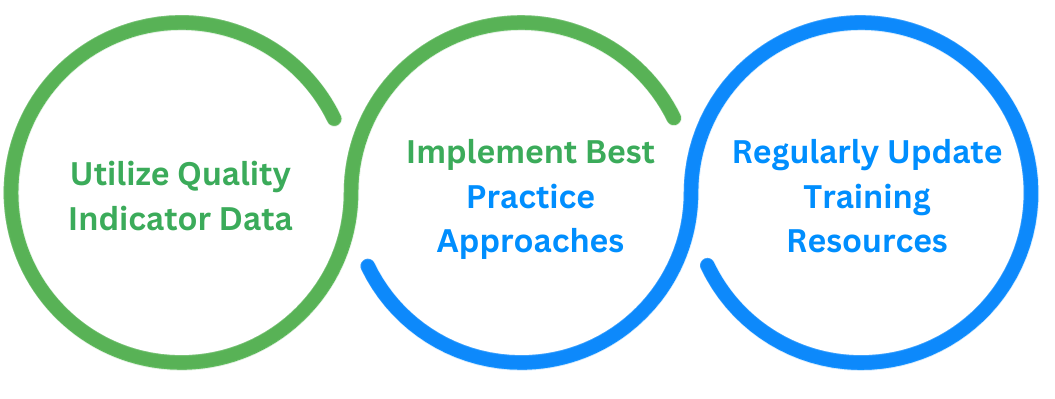
- Utilize Quality Indicator Data: Analyze and use quality indicator data to identify areas for improvement and measure the impact of changes.
- Implement Best Practice Approaches: Adopt and promote best practices in all aspects of RTO operations, from governance to student support.
- Regularly Update Training Resources: Ensure that training materials, resources, and assessment tools are current, relevant, and aligned with industry standards.
Conclusion and Next Steps
Navigating the ASQA Standards 2020 is crucial to maintaining excellence and integrity within the National Vocational Education and Training sector. ASQA Standards for Registered Training Organisations play a vital role in upholding these standards, ensuring learners receive high-quality education and training. In this final section, we will recap the key points of our guide and outline the next steps for RTOs striving for compliance and excellence.
Recap of Key Points
- Understanding ASQA Standards: Gaining a comprehensive understanding of the ASQA Standards 2020 is the first step towards compliance and excellence.
- Proactive Compliance: Adopting a proactive approach, including regular audits and staff development, ensures ongoing adherence to the standards.
- Engagement and Continuous Improvement: Engaging with industry and stakeholders and committing to continuous improvement enhances the quality and relevance of training programs.
- Utilizing Resources: Leveraging available tools and resources aids the compliance journey and supports best practice approaches.
Next Steps for RTOs
- Review and Update Practices: Regularly review and update your RTO’s practices, policies, and procedures to ensure alignment with the ASQA Standards 2020.
- Invest in Professional Development: Encourage ongoing professional development for all staff members to stay informed and enhance their skills.
- Engage with Industry and ASQA: Maintain open lines of communication with industry bodies and ASQA, ensuring your RTO is up-to-date and aligned with sector expectations.
Call to Action: Partner with VET Advisory
To further support your journey towards compliance and excellence, consider partnering with VET Advisory. Our team of experts is dedicated to helping RTOs navigate the ASQA Standards 2020, providing tailored advice, resources, and support to ensure your success.
- Expert Guidance: Receive expert advice and guidance tailored to your RTO’s unique needs and context.
- Comprehensive Resources: Access a wide range of resources and tools to streamline the compliance process.
- Ongoing Support: Benefit from ongoing support and insights to keep your RTO on the path to excellence.
Frequently Asked Questions (FAQs)
Q1. What are the data provision requirements for RTOs under the ASQA Standards 2020?
- RTOs must regularly submit accurate and comprehensive data regarding their training activities, ensuring transparency and enabling effective monitoring by the National Vocational Education and Training Regulator.
Q2. How does ASQA enforce standards to ensure compliance among RTOs?
- ASQA employs a range of enforcement mechanisms, including audits, assessments, and investigations, to ensure RTOs adhere to the established standards and take corrective actions when non-compliance is identified.
Q3. Can you explain the risk assessment framework used by ASQA?
- ASQA’s risk assessment framework systematically evaluates potential risks associated with an RTO’s operations, focusing on areas such as training quality, governance, and student outcomes to prioritize regulatory actions.
Q4. What does the term’ scope of registration’ refer to in the context of RTOs?
- The ‘scope of registration’ defines the specific qualifications, courses, and training programs an RTO can deliver and assess, ensuring alignment with their expertise and resources.
Q5. What is the significance of responding within two business days to ASQA’s request for information?
- RTOs must respond promptly, typically within two business days, to any request for information from ASQA, demonstrating transparency and cooperation with the regulatory body.
Q6. How can I stay updated on the latest ASQA news and updates?
- Subscribing to ASQA’s monthly email newsletter is an effective way to receive the latest news, updates, and resources directly to your inbox, ensuring you stay informed and compliant.
Q7. What role does the chief executive officer play in ensuring an RTO’s compliance with ASQA standards?
- The chief executive officer oversees the RTO’s operations, ensures adherence to the code of conduct, and leads the organization towards full compliance with ASQA standards and regulations.
Q8. How can an RTO challenge a decision made by ASQA?
- If an RTO disagrees with a decision made by ASQA, they have the right to seek a review or appeal through the Administrative Appeals Tribunal, following the prescribed legal processes.
Q9. Can you provide examples of changes that may require an RTO to update their scope of registration?
- Examples of changes include introducing new courses, updating existing training programs, or expanding into new training areas, all of which necessitate an update to the RTO’s scope of registration with ASQA.
Q10. What is the unique student identifier, and why is it essential for RTOs?
- The unique student identifier is a reference number assigned to each student, enabling the tracking of their training records and achievements across different RTOs and ensuring the integrity and accuracy of educational data.