Continuous improvement is a fundamental process in the realm of Vocational Education and Training (VET). Its primary purpose is to ensure that training and assessment practices remain effective, relevant, and aligned with industry standards. By systematically evaluating and enhancing assessment strategies, Registered Training Organisations (RTOs) can maintain high-quality education and meet the evolving needs of learners and employers.
Regulatory requirements underscore the importance of continuous improvement. The Standards for Registered Training Organisations 2015 mandate that RTOs establish and maintain a systematic approach to continuously improve their training and assessment strategies. This involves regular monitoring, evaluation, and updating of practices to ensure compliance with the standards and the delivery of high-quality training outcomes.
What Happens When We Don’t Continuously Improve Our Assessments?
When assessments are not continuously improved, several negative consequences can arise, impacting both the quality of education and the credibility of the training organisation.
Neglecting continuous improvement in assessments can have far-reaching negative effects on educational quality, learner satisfaction, regulatory compliance, and overall organisational success. It is essential for RTOs to prioritise regular review and enhancement of their assessment strategies to ensure they remain effective, relevant, and aligned with industry standards.
What Strategies Can Be Used to Identify Improvement Opportunities?

Identifying opportunities for improvement requires a proactive and systematic approach. Here are some strategies that RTOs can use:
- Feedback mechanisms – Collect feedback from learners, trainers, assessors, and industry stakeholders to gain insights into the effectiveness of current assessment practices.
- Internal audits – Conduct regular internal audits to review assessment tools, processes, and outcomes. This helps in identifying gaps and areas for enhancement.
- Benchmarking – Compare your assessment practices with industry best practices and standards. This can provide a clear picture of where improvements are needed.
- Professional development – Encourage continuous professional development for trainers and assessors to keep them updated with the latest assessment methodologies and industry trends.
- Data analysis – Analyse assessment data to identify patterns, trends, and areas where learners consistently struggle. This can highlight aspects of the assessment process that may need adjustment.
Gathering the Evidence for Continuous Improvement
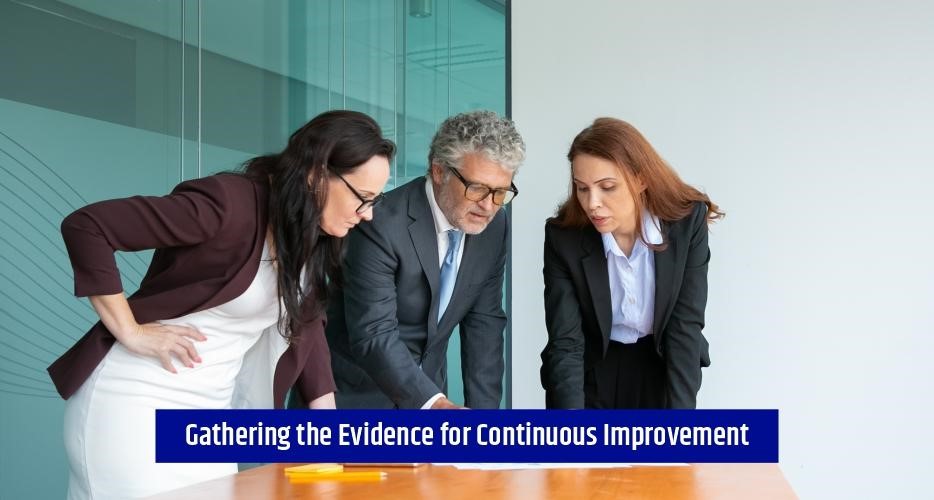
Gathering feedback from various sources is crucial for continuous improvement. Learner feedback through surveys, interviews, and focus groups can provide valuable insights into their experiences and challenges. Additionally, analysing assessment results such as pass rates, completion rates, and outcomes can highlight the strengths and weaknesses of the assessment process.
Engaging with industry partners ensures that assessment practices align with current industry standards. Audit reports from both internal and external sources can identify non-compliance issues and areas needing improvement. Lastly, maintaining records of professional development activities helps pinpoint where assessors may need further support.
Recording the Outcomes of Continuous Improvement
Recording the outcomes of continuous improvement activities is essential for transparency, accountability, and regulatory compliance. This involves creating detailed improvement plans that document areas for improvement, actions taken, and timelines for implementation. Additionally, progress reports should be regularly updated to track the implementation and impact of these improvement initiatives.
Meeting minutes should also be recorded to capture discussions and decisions made during staff meetings, committee meetings, and stakeholder consultations. Maintaining audit trails, which include detailed records of audits, findings, recommendations, and corrective actions, is crucial. It’s also important to keep comprehensive records of all feedback collected and how it has been addressed.
Case Study – Improving Assessment Practices at an RTO
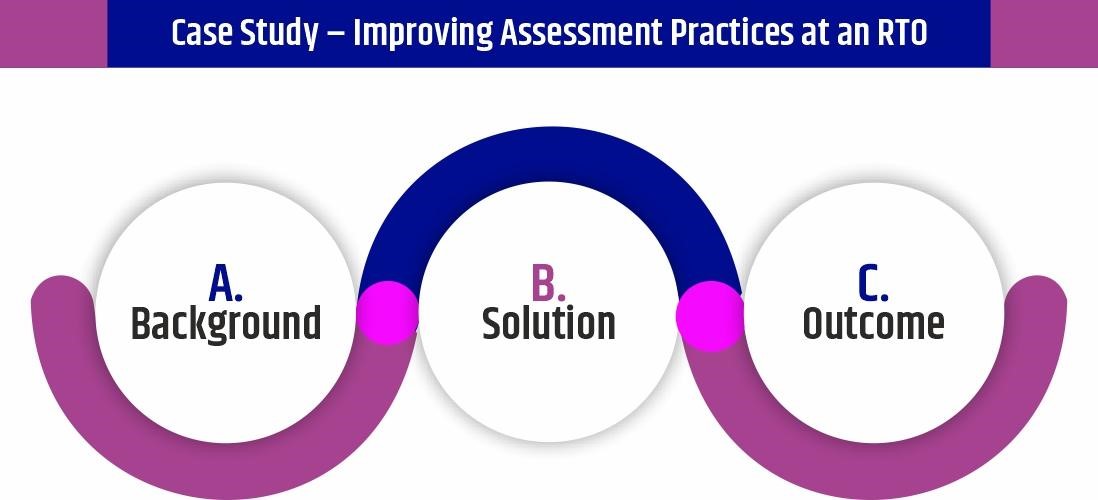
1. Background
An RTO recognized the need for continuous improvement in their assessment practices after receiving mixed feedback from learners and industry partners. They initiated a comprehensive review process, starting with a series of feedback sessions involving learners, trainers, and industry representatives. The feedback highlighted issues with the clarity of assessment instructions and the relevance of some assessment tasks to current industry practices.
2. Solution
In response, the RTO conducted an internal audit of their assessment tools and processes. The audit confirmed the feedback and identified additional areas for improvement. They then developed an improvement plan, which included revising assessment tools to ensure they were clear and aligned with industry requirements, providing additional training for assessors, and implementing a new feedback mechanism to continuously gather insights from learners and industry partners.
3.Outcome
Over six months, the RTO systematically implemented these changes, closely monitoring progress and making adjustments as needed. Regular progress reports and meeting minutes documented the process. The outcomes were positive, with improved learner satisfaction, better alignment with industry standards, and higher pass rates.
VET Advisory – Providing Solutions to RTOs
VET Advisory can play an important role in assisting RTOs with their continuous improvement efforts. By offering expert consultancy, VET Advisory helps RTOs develop strong improvement plans and implement effective strategies.
Conclusion
Continuous improvement is essential for maintaining the quality and relevance of training and assessment in VET. By implementing systematic strategies to identify opportunities for improvement, gathering comprehensive evidence, and meticulously recording outcomes, RTOs can ensure they meet regulatory requirements and provide high-quality education.
With the support of VET Advisory, RTOs can understand the intricacies of continuous improvement, ultimately enhancing their training and assessment practices and achieving better outcomes for learners and industry partners.
FAQs
How can RTOs gather evidence for continuous improvement?
RTOs can gather evidence through multiple sources including learner and industry feedback, assessment outcomes, audit findings, and professional development records. This evidence provides a comprehensive view of current practices and highlights areas that need enhancement.
What should be included in the recording of continuous improvement activities?
Recording should include detailed improvement plans outlining areas for enhancement, actions taken, and implementation timelines. Regular progress reports, meeting minutes, audit trails, and feedback documentation should also be maintained to ensure transparency and accountability.
What impact does continuous improvement have on learner outcomes?
Continuous improvement ensures that assessments are fair, valid, and reliable, which in turn enhances learner engagement and success. Updated and relevant assessment practices help learners acquire the skills and knowledge needed to excel in their careers.
Can continuous improvement help with regulatory compliance?
Yes, continuous improvement helps RTOs stay compliant with regulatory requirements by regularly reviewing and updating assessment practices. This proactive approach ensures that assessments meet current standards and helps avoid non-compliance issues during audits.