


Introduction to ASQA Accreditation and Course Templates
In the field of education and training, creating impactful learning experiences is crucial to ensure the development and growth of individuals and communities. To achieve this, institutions and organisations often rely on recognised frameworks and standards to design and deliver high-quality courses. In Australia, the Australian Skills Quality Authority (ASQA) plays a significant role in accrediting vocational education and training (VET) courses, ensuring their compliance with nationally recognised standards. ASQA provides guidance and resources to help educational institutions develop effective courses, and one of the valuable tools it offers is the provision of ASQA accredited course templates. This article explores the significance of ASQA accreditation, the benefits of utilising course document templates, and how they can be harnessed to create impactful learning experiences.
Understanding ASQA Accreditation
Before delving into the concept of ASQA accredited course templates, it is essential to understand the role and importance of ASQA accreditation itself. ASQA is the national regulator for the VET sector in Australia, responsible for ensuring the quality and consistency of training outcomes delivered by registered training organisations (RTOs). Their mission is to regulate the sector through a transparent and responsive approach, promoting the highest standards of quality and integrity in vocational education and training.
ASQA accredits VET courses to ensure that they meet the requirements outlined in the Standards for Registered Training Organisations (RTOs) 2015. These standards cover various aspects of course design, delivery, assessment strategies, and the competency of trainers and assessors. Accreditation by ASQA demonstrates that a course has undergone a rigorous evaluation process and meets the necessary standards of quality and compliance.
The Significance of ASQA Accredited Course Templates
ASQA accredited course templates serve as valuable resources for educational institutions, trainers, and course designers in the VET sector. These templates are designed to assist RTOs in developing courses that align with ASQA’s quality standards, resulting in effective learning experiences for students. By utilising accredited course templates, institutions can benefit in the following ways:
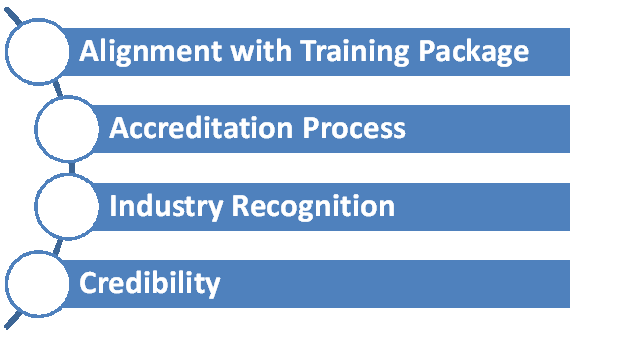
- Alignment with Training Package: ASQA accredited course templates are designed in alignment with the relevant training packages, which are comprehensive documents outlining the skills and knowledge required for specific industries and occupations. These templates incorporate the units of competency, performance criteria, and assessment requirements outlined in the training packages. By utilising accredited templates, educational institutions can ensure that their courses cover the necessary content and meet the industry standards, enhancing the relevance and quality of the education provided.
- Accreditation Process: Accreditation is a crucial step for educational institutions in the VET sector to demonstrate their compliance with quality standards and regulatory requirements. ASQA accredited course templates serve as valuable tools during the accreditation process. Institutions that utilise these templates can provide evidence of their alignment with ASQA’s standards and easily showcase how their courses meet the required criteria. This alignment simplifies the accreditation process, ensuring a smoother and more efficient evaluation of course offerings.
- Industry Recognition: Accredited course templates are developed based on industry best practises and the expertise of practitioners in the respective fields. By adhering to these templates, educational institutions demonstrate their commitment to delivering courses that meet industry expectations and requirements. This industry recognition enhances the credibility of the courses and the institution, making them more appealing to students and employers. Graduates from accredited courses are more likely to be recognised and valued by employers, increasing their employment prospects and career opportunities.
- Credibility: ASQA accredited course templates contribute to the overall credibility of educational institutions and their courses. By utilising these templates, institutions showcase their commitment to delivering high-quality education that meets national standards. This commitment to quality enhances the institution’s reputation, instills trust among stakeholders, and attracts students seeking reputable and credible education providers. The use of accredited course templates reinforces an institution’s dedication to excellence and continuous improvement in the delivery of vocational education and training.
Harnessing ASQA Accredited Course Templates
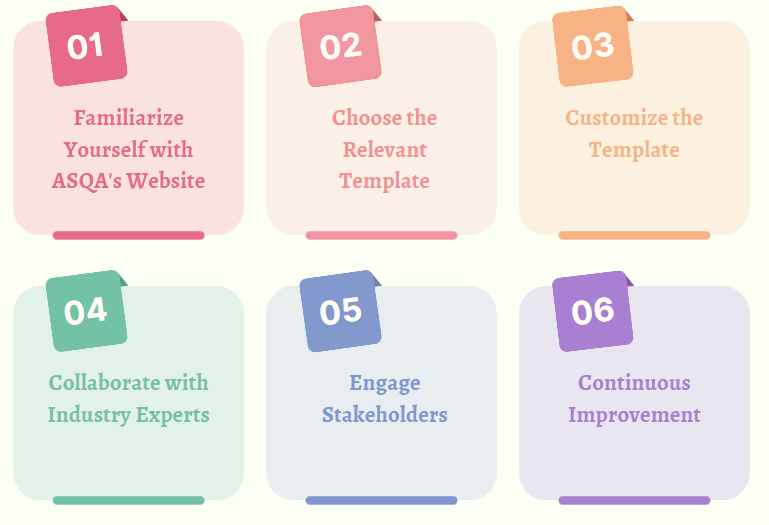
To harness the potential of ASQA accredited course proposal templates, educational institutions can follow a systematic approach:
Familiarise Yourself with ASQA’s Website
ASQA provides a wealth of information and resources on its official website. Visit the website to gain an understanding of ASQA’s accreditation process, standards, and guidelines. Explore the section dedicated to VET accredited course templates to access the available templates.
Choose the Relevant Template
ASQA offers a range of course document templates catering to different industry sectors and qualifications. Identify the template that aligns with the course you intend to develop or improve. Carefully review the template to understand its structure, learning outcomes, assessment requirements, and any specific guidelines provided.
Customise the Template
While the accredited course template provides a solid foundation, it is essential to customise it to meet the specific needs of your institution and learners. Modify the template to reflect your institution’s branding, instructional approach, and contextual requirements. Ensure that the learning outcomes, assessments, and resources align with your institution’s objectives and student needs.
Collaborate with Industry Experts
Engage with industry experts, practitioners, and subject matter experts during the customisation process. Their input can help ensure the currency and relevance of the course content, aligning it with industry requirements and emerging trends. Collaborating with experts also helps in fine-tuning the assessments to accurately measure the desired skills and knowledge.
Engage Stakeholders
Involve relevant stakeholders such as trainers, assessors, and learners in the course design and development process. Seek their feedback and incorporate their insights to create a truly impactful learning experience. By involving stakeholders, you foster a sense of ownership and engagement, leading to increased satisfaction and better learning outcomes.
Continuous Improvement
Creating impactful learning experiences is an iterative process. Regularly review and evaluate the effectiveness of your course using various feedback mechanisms such as student surveys, assessment data, and industry feedback. Incorporate improvements and updates to keep the course current and relevant.
Applying for Course Accreditation with ASQA Accredited Course Templates
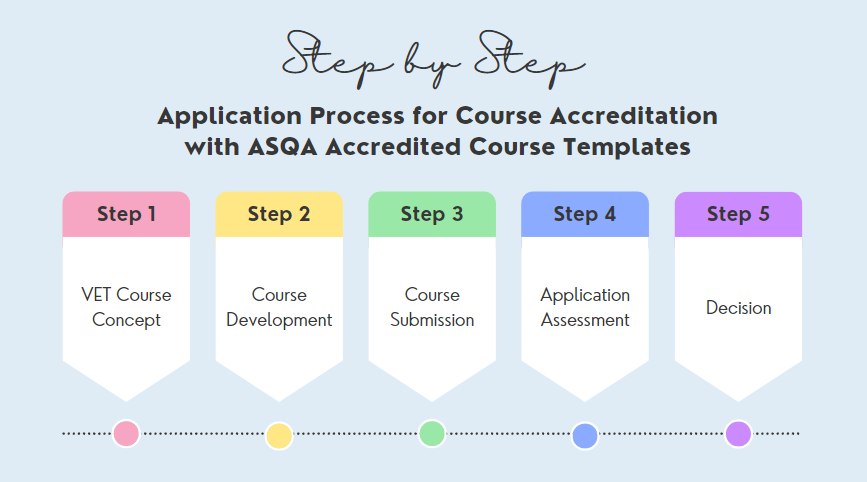
Applying for course accreditation with the ASQA is an essential step for educational institutions seeking to deliver vocational education and training (VET) courses. ASQA provides a comprehensive accreditation process to ensure that courses meet the required quality standards and compliance measures. Utilising ASQA accredited course templates can greatly facilitate and streamline this process, enabling institutions to develop and submit accreditation applications more efficiently. In this section, we will explore the five key steps involved in applying for course accreditation, highlighting how ASQA accredited course templates can be harnessed at each stage to create a robust and effective application.
Step 1 – VET Course Concept
The first step in applying for course accreditation is to develop a clear and well-defined VET course concept. This involves identifying the target industry, understanding the skills and knowledge requirements, and determining the intended learning outcomes. ASQA accredited course templates can play a crucial role in this stage by providing a structured framework that outlines the essential components of a VET course.
By utilising an ASQA accredited course template, institutions gain access to a pre-designed structure that includes unit structures, learning outcomes, and assessment tasks. These templates are developed based on industry best practices and incorporate the expertise of experienced practitioners. By starting with a template, educational providers can ensure that their course concept aligns with the necessary standards and covers the required knowledge and skills.
Key considerations at this stage include:
- Choosing the Relevant ASQA Accredited Course Template: ASQA offers a range of accredited course templates tailored to different industry sectors and qualifications. Select the template that aligns with the target industry and qualification you intend to develop.
- Customising the Template: Customise the chosen template to reflect the unique aspects of your course concept. Modify the learning outcomes, assessments, and resources to suit the specific needs of your institution and learners. This customisation process ensures that the course concept is aligned with your institution’s objectives and caters to the requirements of the target industry.
Step 2 – Course Development
Once the VET course concept is established, the next step is to develop the course content and structure. ASQA accredited course templates provide a solid foundation for course development by offering a comprehensive structure and guidance on key elements such as learning outcomes, unit structures, and assessment tasks.
By leveraging the ASQA accredited course template, institutions can save significant time and resources that would otherwise be spent on designing these components from scratch. The template ensures that all the necessary aspects are considered and provides a consistent framework that aligns with industry standards and ASQA’s requirements.
During the course development phase, it is essential to:
- Customise the Template: Adapt the accredited course template to suit the specific needs and context of your institution and learners. Customise the learning outcomes, assessments, and resources to reflect your instructional approach and contextual requirements.
- Incorporate Industry Relevance: Engage industry experts, practitioners, and subject matter experts to ensure the course content remains relevant and responsive to industry needs. Industry consultation helps validate the currency of the skills and knowledge included in the course and enhances its industry applicability.
Step 3 – Course Submission
After the course development phase, the next step is to prepare the course submission for accreditation. ASQA provides detailed guidelines and requirements for submitting an application, and utilising ASQA accredited course templates can greatly assist in meeting these requirements effectively.
The accredited course template serves as a comprehensive guide that ensures the mandatory information contact and certification documentation are included in the submission. It provides a structured consistent format that facilitates the organisation of course materials and aligns with ASQA’s expectations.
When preparing the course submission, it is important to:
- Follow ASQA Guidelines: Carefully review the guidelines and requirements provided by ASQA for course accreditation applications. Ensure that the submission adheres to these guidelines and includes all the required AQF certification documentation.
- Customise the Template: Customise the ASQA accredited course template to incorporate the specific details and key information requested in the application. This customisation ensures that the submission accurately represents the developed course and meets ASQA’s expectations.
Step 4 – Application Assessment
Once the course submission is complete, ASQA initiates the application assessment process. During this stage, ASQA evaluates the submission to determine whether the course meets the necessary quality standards and compliance measures. The assessment process includes a thorough review of the course content, learning outcomes, assessment methods, and compliance with the Standards for Registered Training Organisations (RTOs) 2015.
ASQA accredited course templates significantly contribute to the assessment process by providing a clear and structured framework for evaluating the submitted course. The template serves as a reference point for assessors, enabling them to easily identify the required elements and assess the course against the specified criteria.
Key considerations during the application assessment stage include:
- Compliance with Standards: Ensure that the course submission aligns with the Standards for RTOs 2015. The ASQA accredited course template acts as a guide to standards that all the necessary elements and requirements are met.
- Review and Refine: Before submitting the course application, thoroughly review the course submission using the ASQA accredited course template as a reference. Fine-tune the course materials and address any areas that may require improvement to enhance compliance and overall quality.
Step 5 – Decision
The final step in the course accreditation process is receiving the decision from ASQA. Following the assessment, ASQA communicates its decision regarding the accreditation of the course. The decision may involve granting accreditation, imposing conditions, or rejecting the application.
Utilising ASQA accredited course templates throughout the application process increases the chances of a positive decision. By adhering to the templates, educational providers demonstrate their commitment to quality and compliance with ASQA’s standards. The structured framework provided by the template ensures that the course has been designed in accordance with industry best practices and aligns with ASQA’s expectations. Last is to submit your application
In case of any conditions or areas that require improvement, educational institutions can refer back to the ASQA accredited course template to address these concerns effectively. The template serves as a reference point for making the necessary revisions and modifications, allowing institutions to demonstrate their commitment to meeting the required standards.
Conclusion
Harnessing ASQA accredited course templates can significantly contribute to the creation of impactful learning experiences in the VET sector. These templates offer a structured framework that ensures compliance with ASQA’s quality standards, saves time and resources, promotes consistency and standardisation, and incorporates best practices. By customising these templates to meet the specific needs of their institutions and learners, educational providers can deliver high-quality courses that enhance student outcomes and align with industry requirements. Through continuous improvement and collaboration with industry experts and stakeholders, institutions can further refine and optimise their courses, fostering a culture of excellence in vocational education and training.
Applying for course accreditation with ASQA accredited course templates offers numerous benefits for educational institutions. These templates provide a structured framework that guides the development, customisation, and submission of courses, ensuring compliance with ASQA’s quality standards and requirements. By utilising the templates, institutions save time and resources, enhance industry relevance, and increase their chances of a successful accreditation outcome. ASQA accredited course templates are valuable tools that support institutions in creating robust and effective applications, ultimately contributing to the delivery of high-quality vocational education and training in independent tertiary education council Australia.